
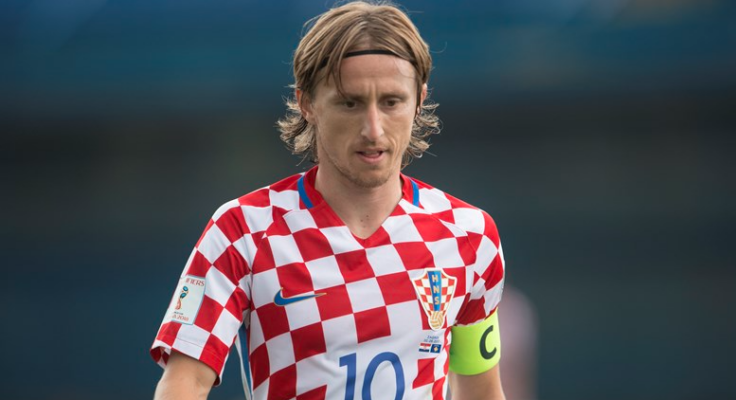
Coming on as a substitute in the first leg of the Champions League semi-final against Bayern Munich, which ended in a 2-2 draw, 38-year-old Luka Modric of Real Madrid became the third-oldest outfield player to participate at this stage of the competition, according to Opta Sports.
This achievement highlights not only Modric’s longevity in a demanding sport but also his ability to maintain a high level of performance despite his age. His experience has been invaluable to the team, especially in crucial matches like this one. Throughout his career, Modric has demonstrated exceptional vision, passing skills, and an understanding of the game that few can match. As he continues to break records and set new milestones, Modric serves as an inspiration to younger players. His professionalism and dedication to training have allowed him to compete at the highest level for over a decade. Despite being in the twilight of his career, he remains a key figure in Real Madrid’s midfield, guiding his teammates with both his performance and leadership.
Fans and analysts alike admire Modric for his work ethic and football intelligence. His presence in the squad is a reminder that age is just a number in the world of football; passion and skill can defy expectations. As Real Madrid aims for another Champions League title, Modric’s contributions will be crucial in navigating the challenges ahead.
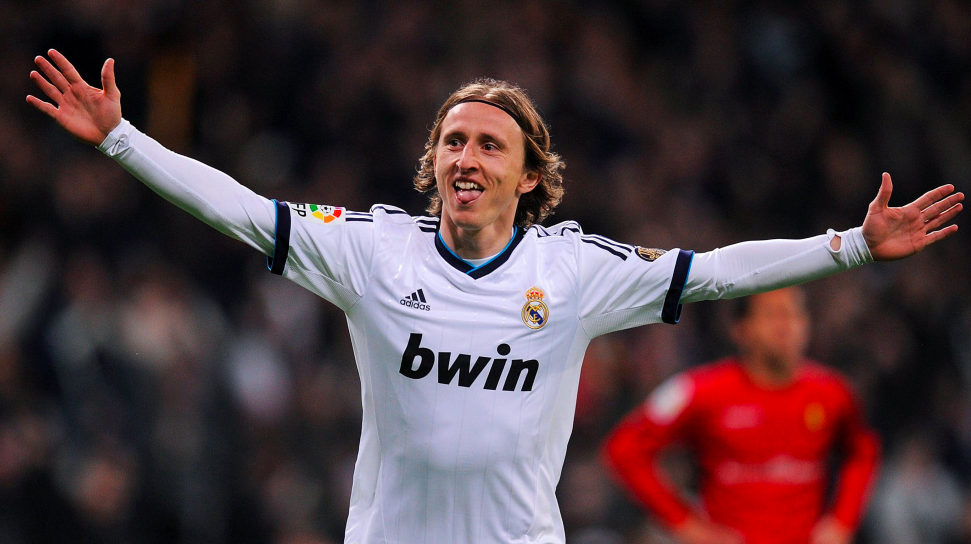
Modric is currently surpassed by former Milan defender Paolo Maldini, who played in the 2007 Champions League semi-final at the age of 38 years and 302 days. He is also surpassed by another ex-Milan defender, Alessandro Costacurta, who was 40 years and 2 days old during the semi-final match in the 2005/2006 season. This statistic underscores Modric’s remarkable longevity in a physically demanding sport. As he continues to compete at the highest level, he serves as a testament to how dedication, hard work, and a deep love for the game can defy the expectations associated with age.
In the recent match against Bayern Munich, Modric entered the field in the 75th minute, replacing 20-year-old attacking midfielder Jude Bellingham. This substitution is significant not only because of Modric’s experience but also because it reflects Real Madrid’s approach to nurturing young talent alongside seasoned veterans. Bellingham, who has quickly become a key player for the team, benefits from the guidance of a player like Modric, who has seen it all in his illustrious career.
Modric’s presence in the midfield provides a calming influence and tactical awareness that can only come from years of experience. His ability to read the game, make quick decisions, and execute precise passes contributes significantly to the team’s overall strategy. Even in limited minutes, his impact is often felt, as he can control the tempo of the match and offer crucial insights to younger players on the pitch. Furthermore, Modric’s leadership extends beyond his on-field performance. He has become a mentor to younger teammates, offering advice and support as they navigate the challenges of professional football. His work ethic and professionalism serve as an example for players like Bellingham, who are eager to learn and grow in their careers. The mutual respect between the two is palpable, and it highlights the importance of having experienced players in a squad filled with youthful exuberance.
As the Champions League progresses, the experience of players like Modric will be invaluable. High-pressure matches demand a level of composure and tactical understanding that comes with experience. Modric has been involved in countless high-stakes games, and his ability to perform under pressure is crucial for Real Madrid as they aim for another title.
Looking ahead, Modric’s role in the team will likely continue to evolve. While he may not play every minute, his influence in the locker room and on the training ground remains significant. The club’s management is aware of the importance of balancing experience with youth, and Modric embodies this philosophy. His willingness to accept a rotational role while still making impactful contributions showcases his maturity and understanding of the game. The discussions about Modric’s future at Real Madrid are ongoing. His contract situation and potential for extension are topics of interest among fans and analysts alike. Many hope to see him remain with the club, either as a player or in a future coaching role. His deep connection to Real Madrid and the legacy he has built over the years make it clear that he will always be a part of the club’s history, regardless of what the future holds.
In conclusion, Luka Modric’s journey as a player is a remarkable story of resilience, skill, and leadership. His recent appearance in the Champions League semi-final further cements his status as one of the game’s greats. As he continues to inspire those around him, both on and off the pitch, fans and teammates alike can only hope to witness more of his magic in the matches to come. His legacy at Real Madrid is secure, and his influence will resonate for generations of players to follow.


